Bad Breath (Halitosis) Treatment in Walden, NY
Bad breath that won’t go away usually starts in the mouth. We find the cause — gum disease, decay, a coated tongue or dry mouth — and treat it at our Walden office.

Reviewed by Dr. Ibrahim Sayeed, DDS
Updated October 4, 2026
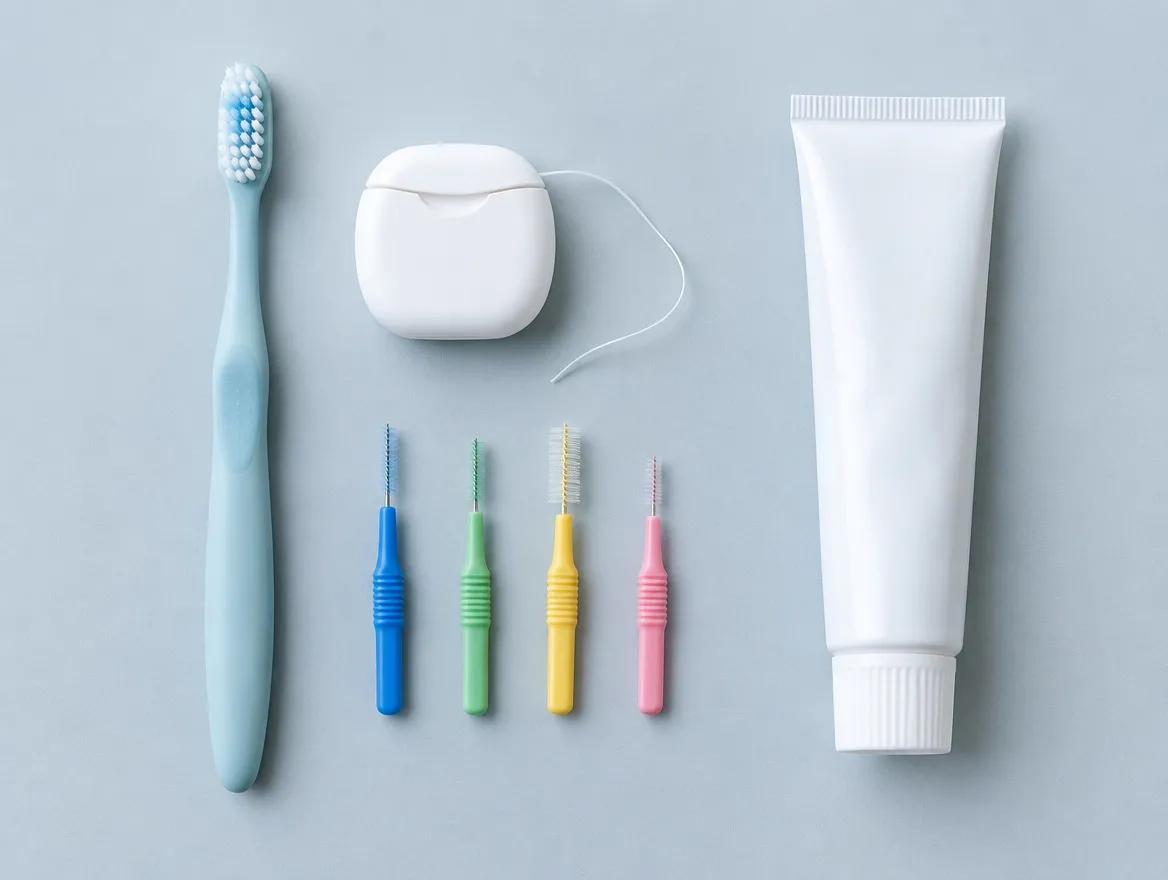
Bad breath, medically known as halitosis, can be frustrating and sometimes embarrassing. It affects people of all ages and is often a symptom of an underlying dental or medical issue. At Walden Dental, we take bad breath seriously. Our team provides professional evaluation and personalized treatment to help you regain fresh breath and optimal oral health.
Dr. Ibrahim Sayeed and our team find out where the odor is coming from — most often gum disease, decay, a coated tongue or dry mouth — and treat that cause at our Walden office. Want to check the common causes and try some home fixes first? Read our guide on what to do if you have persistent bad breath.
What Causes Bad Breath From the Mouth?
Most bad breath comes from bacteria in the mouth. As they break down food debris and dead cells — on the back of the tongue, below the gumline and around worn fillings — they release foul-smelling sulfur compounds. Common contributors include:
- Poor oral hygiene
- Gum disease or tooth decay
- Dry mouth (xerostomia)
- Smoking or tobacco use
- Diets high in garlic, onions, or coffee
- Medical conditions like sinus infections, diabetes, or GERD
- Mouth breathing during sleep

How We Treat Bad Breath in Walden, NY
1. Finding the source
Bad breath treatment starts with an exam, not a mouthwash. At your visit we:
- Examine your teeth, gums and tongue, and measure the gum pockets around each tooth to check for gum disease
- Take digital X-rays to look for hidden decay, infection or leaking fillings and crowns
- Check for dry mouth and go over any medications that can reduce saliva
- Ask about your brushing and flossing routine, diet, smoking and any dentures, retainers or aligners
2. Treating the cause
What we recommend depends on what we find:
- Plaque and tartar buildup: a professional cleaning removes the deposits brushing can’t.
- Gum disease: a deep cleaning (scaling and root planing) clears bacteria from below the gumline, the most common source of persistent odor. See gum disease treatment.
- Cavities or failing dental work: replacing leaking fillings or broken crowns removes places where bacteria collect.
- Coated tongue: we show you how to clean your tongue properly, which often makes the biggest day-to-day difference.
- Dry mouth: saliva substitutes, xylitol products and fluoride to protect your teeth (see below).
- Dentures or appliances: how to clean them, and an adjustment if a poor fit is trapping food.
If your mouth is healthy and the odor persists, the cause may be elsewhere — sinus or tonsil problems, acid reflux, or a medical condition such as diabetes. We’ll tell you what we found and refer you to your doctor. A fruity or ammonia-like smell on the breath can point to a medical cause, so see your doctor promptly.
Dry Mouth and Bad Breath
Saliva washes away food and bacteria, so when your mouth is dry, odor builds up quickly — it’s why morning breath is worse. Long-lasting dry mouth (xerostomia) is commonly caused by medications such as antihistamines, antidepressants and blood pressure drugs, by mouth breathing or snoring, and by some health conditions.
Dry mouth also raises your risk of cavities. To help, we may recommend:
- Sipping water through the day and limiting alcohol, caffeine and alcohol-based mouthwash
- Sugar-free xylitol gum or lozenges to get saliva flowing
- Over-the-counter saliva substitutes or dry-mouth rinses
- A high-fluoride toothpaste or in-office fluoride treatment to protect your teeth
- Talking to your doctor about whether a medication can be adjusted

Preventing Bad Breath
- Brush teeth and tongue twice daily with fluoride toothpaste
- Floss daily to remove food and plaque between teeth
- Stay hydrated and manage dry mouth symptoms
- Avoid smoking and reduce intake of strong-smelling foods
- Visit your dentist for regular cleanings and checkups
Why Choose Walden Dental for Bad Breath Treatment?
- A thorough exam, including gum measurements and X-rays, to find the actual source
- Treatment for the cause — gum disease, decay or dry mouth — rather than masking the odor
- Personalized care plans and practical home-care advice
- Discreet, judgment-free care
- Convenient appointments, and our front desk checks your insurance before treatment
We’re committed to helping you regain confidence in your breath and oral health.
How we treat it
Treatments for bad breath at Walden Dental NY

Cleanings
Learn more →

Gum disease prevention
Learn more →
Frequently Asked Questions (FAQs)
Can a dentist fix bad breath?
Yes, in most cases. Most persistent bad breath starts in the mouth — from gum disease, decay, a coated tongue or dry mouth — and a dentist can find and treat the cause. If the source isn’t in your mouth, we’ll refer you to your doctor.
Should I see a dentist or doctor for bad breath?
See a dentist first. Most cases come from the mouth, and a dental exam can confirm or rule that out. If the cause isn’t oral, we’ll refer you to a medical professional for further evaluation.
What causes bad breath from the mouth?
Bacteria on the back of the tongue and below the gumline are the main sources, along with gum disease, cavities, leaking fillings, food trapped between teeth and dry mouth. Our guide on persistent bad breath covers the causes in more detail.
How do I know if my bad breath is from my mouth or stomach?
Dental exams and lifestyle assessments can help identify the source. Most cases originate in the mouth, but if not, we’ll guide you to the appropriate specialist.
Can gum disease cause bad breath?
Yes. Gum disease is one of the most common dental causes of chronic bad breath. Treating gum disease often significantly reduces odor.
Can dry mouth cause bad breath?
Yes. Saliva rinses away bacteria and food debris, so a dry mouth lets odor build up. Medications are a common cause. Drinking water, sugar-free xylitol gum and saliva substitutes help, and we’ll check your teeth for the extra decay dry mouth can cause.
What is the best mouthwash or toothpaste for bad breath?
An alcohol-free antibacterial rinse — for example one with cetylpyridinium chloride or zinc — and a fluoride toothpaste work well for most people. Alcohol-based rinses can dry your mouth and make odor worse. We can recommend a product, or a prescription rinse for short-term use, based on what’s causing your bad breath.
Can bad breath be cured permanently?
Usually, yes — once the underlying cause is treated, such as gum disease, decay or dry mouth, and you keep up good daily care and regular cleanings. Mints and mouthwash only mask the odor for a short time.
Get Fresh Breath Confidence at Walden Dental
Don’t let bad breath affect your confidence. Schedule a bad breath evaluation at Walden Dental NY in Walden, NY — we’ll find the cause and treat it. Call (845) 713-4822 or book your appointment online.


Patient stories
What our neighbours in Walden say.
-
★★★★★
I recommend this place to all my friends. They are gentle, kind, and honest. They don’t recommend things that you don’t need. They’re great working with people who have anxiety about going to the dentist.
T&C SmithGoogle review -
★★★★★
Great staff, they always treat my kids great, never had 1 issue in the years they have gone.
BrianGoogle review -
★★★★★
Such friendly staff!
Catie AbelGoogle review -
★★★★★
Dr Sayeed and his team are absolutely wonderful. I see them every six months and most of the time I have a boring mouth. The one time I didn’t, Dr. Sayeed handled me with great care as he knew I had had a prior negative experience at a dentist and it had been a while since I had been to one. I look forward to the friendly atmosphere and good patient care every time I go. Highly recommend!
Ashley DmitrieffGoogle review -
★★★★★
Great people. Beautiful people here and they are very funny
Andy DumornayGoogle review