
Sensitive Teeth Treatment in Walden, NY
Teeth sensitive to cold, sweets or brushing? We find the cause and treat it, with in-office fluoride and desensitizing treatments, bonding, fillings or a nightguard.

Reviewed by Dr. Ibrahim Sayeed, DDS
Updated October 4, 2026

Tooth sensitivity, often described as a sharp, sudden pain in response to hot, cold, sweet, or acidic foods, is a common condition that can interfere with daily life. At Walden Dental, we understand how frustrating and uncomfortable sensitive teeth can be. Our experienced team provides personalized care to diagnose the cause and deliver lasting, professional solutions.
Dr. Ibrahim Sayeed and our team find out why your teeth are sensitive — worn enamel, receding gums, a cavity, a cracked tooth or recent dental work — and treat that cause, from in-office fluoride and desensitizing treatments to bonding over exposed roots, fillings and nightguards.
What Causes Tooth Sensitivity?
Sensitive teeth typically occur when the protective enamel on your teeth wears down or when the gum tissue recedes, exposing the underlying dentin layer. Common causes include:
- Aggressive brushing or hard-bristled toothbrushes
- Tooth enamel erosion from acidic foods or drinks
- Gum recession due to periodontal disease
- Tooth grinding (bruxism)
- Cavities or cracked teeth
- Worn dental restorations
- Recent dental work, such as a new filling, a cleaning or whitening
Signs of Sensitive Teeth: Cold, Hot, Sweet or Brushing
People with sensitive teeth may experience:
- Sharp pain when consuming hot, cold, sweet, or acidic foods and beverages
- Sensitivity to cold air or deep breathing
- Pain when brushing or flossing
- Discomfort during or after dental cleanings
Sensitivity or something more serious? A sharp twinge that fades within a few seconds is typical sensitivity. Pain that lingers after the cold is gone, throbs, wakes you at night or hurts when you bite down can mean a cavity, a cracked tooth or an irritated nerve — call us for an exam. Our guides on how to tell if you have a cavity and tooth pain when chewing explain the difference.
How We Treat Sensitive Teeth in Walden, NY
Treatment starts with an exam to find which teeth are sensitive and why — we check for exposed roots, worn enamel, cavities, cracks and leaking fillings, and take X-rays if needed. Depending on the cause, we may recommend:
- Desensitizing toothpaste: a toothpaste with potassium nitrate or stannous fluoride, used twice a day. It usually takes two to four weeks to work fully.
- In-office fluoride or desensitizing treatment: a fluoride varnish or desensitizing agent painted onto sensitive areas for faster relief.
- Bonding over exposed roots: tooth-colored bonding covers worn or exposed root surfaces near the gumline.
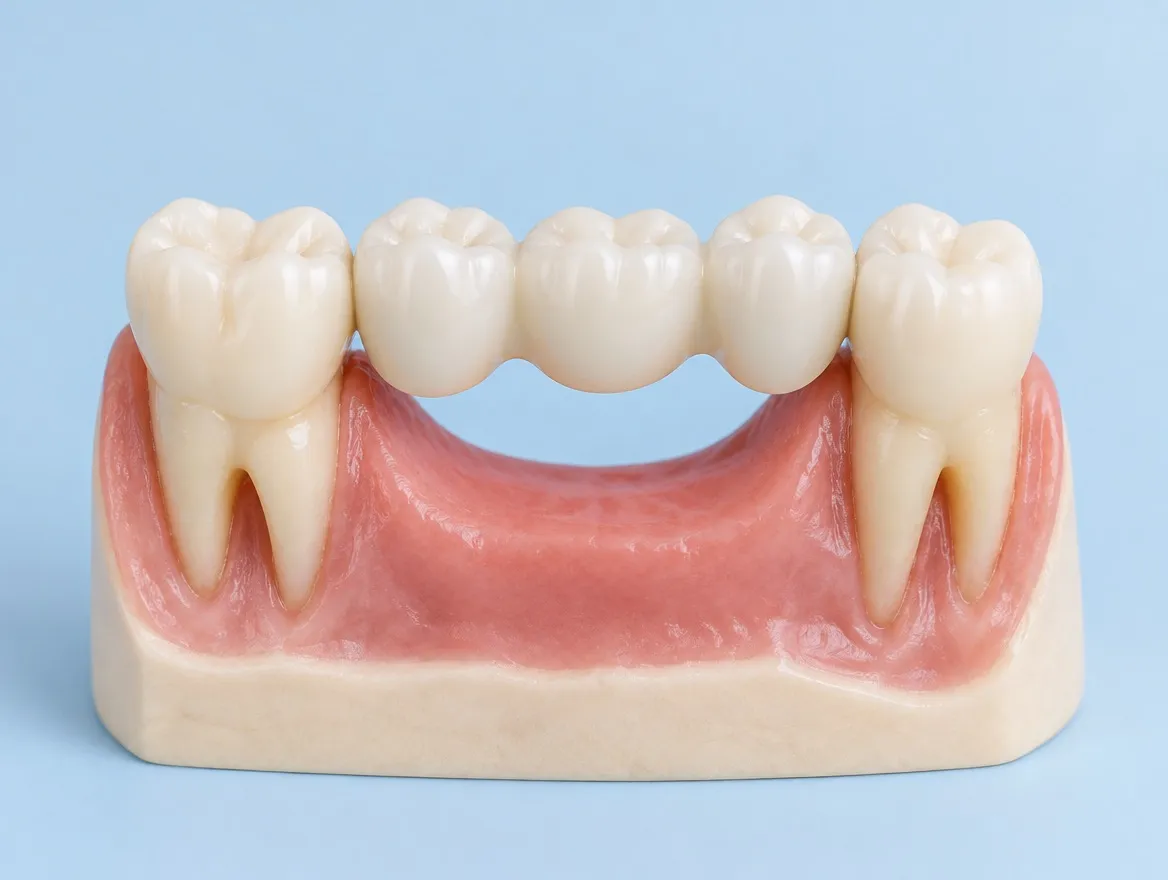
- Fillings or crowns: to treat decay, cracked teeth or worn, leaking fillings.
- Nightguard: a custom guard protects your enamel if you grind or clench your teeth at night.
- Gum grafting: for significant gum recession, we’ll refer you to a periodontist (a gum specialist) to cover exposed roots.
- Root canal treatment: only when severe sensitivity doesn’t respond to other treatment and the nerve is affected. See root canals.
We always prioritize comfort, effectiveness, and prevention of future sensitivity.
Sensitive Teeth After a Filling
It’s common for a tooth to be sensitive to cold, sweets or biting for a few days after a new filling, especially a deep one. This usually fades within two to four weeks as the tooth settles.
Call us if it hurts when you bite down — the filling may sit slightly high and need a quick adjustment — or if the pain lingers, throbs or gets worse instead of better. Learn more about tooth-colored fillings.
Sensitivity After Teeth Whitening
Whitening gels can make teeth temporarily sensitive, usually for a day or two. Using a desensitizing toothpaste for a couple of weeks beforehand, choosing a lower-strength product and taking breaks between sessions all help. If your teeth are already sensitive, talk to us before whitening so we can check for worn enamel or exposed roots first.
Sensitivity After a Dental Cleaning
Removing tartar can uncover root surfaces that were covered, so mild sensitivity for a few days after a cleaning is normal. After a deep cleaning for gum disease it can last a couple of weeks. A desensitizing toothpaste helps, and it should ease as your gums heal.

Preventing Sensitive Teeth
Proper home care and regular professional attention can often minimize or prevent sensitivity. We recommend:
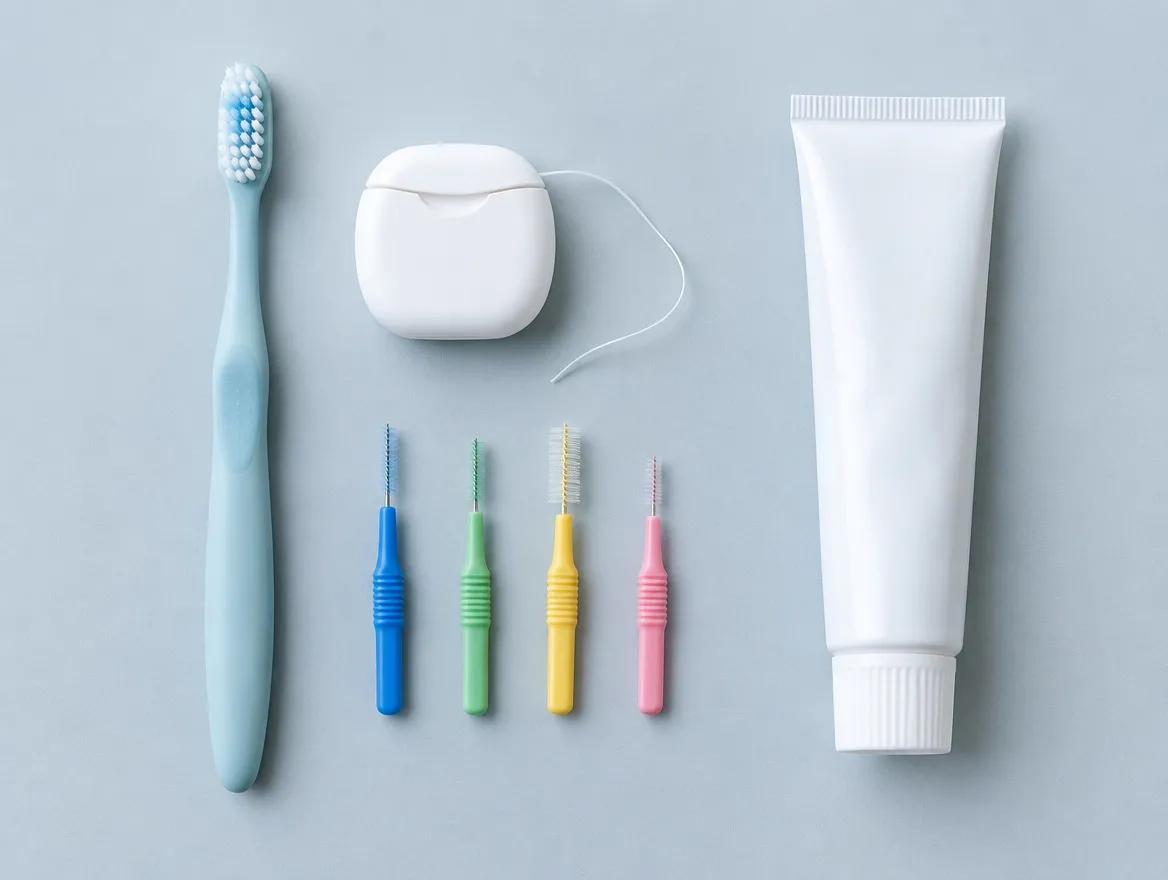
- Using a soft-bristled toothbrush and non-abrasive fluoride toothpaste
- Brushing gently in circular motions
- Avoiding acidic foods and drinks
- Wearing a nightguard if you grind your teeth
- Scheduling routine dental cleanings and exams
Why Choose Walden Dental for Sensitive Teeth Treatment?
- Skilled team trained in diagnosing and treating tooth sensitivity
- Gentle, patient-first approach focused on your comfort
- A thorough exam to find the cause, not just ease the symptoms
- Personalized prevention and treatment plans
- Convenient scheduling and insurance assistance
Whether you’ve just noticed increased sensitivity or have been living with discomfort for a while, our team at Walden Dental is ready to help.
How we treat it
Treatments for sensitive teeth at Walden Dental NY

Fluoride treatment
Learn more →

Dental bonding
Learn more →
Frequently Asked Questions (FAQs)
What is the fastest way to stop sensitive teeth?
For quick relief, an in-office fluoride varnish or desensitizing treatment works within a visit. At home, dab a little desensitizing toothpaste onto the sensitive spot and leave it on, use a soft toothbrush, and avoid very cold and acidic foods. Desensitizing toothpaste works best when used twice a day for a few weeks.
Why are my teeth suddenly sensitive to cold?
Sudden sensitivity to cold often comes from gum recession or worn enamel exposing the dentin underneath, but it can also be a new cavity, a cracked tooth or a leaking filling. If it doesn’t settle within a week or two, or one tooth hurts more than the others, have it checked.
Why are my teeth so sensitive?
Tooth sensitivity can result from enamel erosion, gum recession, untreated cavities, or recent dental work. Identifying the cause with a professional evaluation is essential to effective treatment.
Can sensitive teeth be treated permanently?
In many cases, yes. When combined with good oral hygiene, treatments such as fluoride therapy, dental bonding, and desensitizing agents can significantly reduce or eliminate symptoms.
What foods should I avoid with sensitive teeth?
Avoid acidic and sugary foods, including citrus fruits, soda, wine, and sweets, as they can worsen sensitivity by eroding enamel and irritating exposed dentin.
Is it normal for teeth to be sensitive after a dental cleaning?
Mild sensitivity after a cleaning can be normal, especially if tartar buildup was removed or if gum recession is present. This usually subsides within a few days.
How long does sensitivity last after a filling?
Usually a few days to two weeks, and up to four weeks after a deep filling. If it hurts when you bite, lingers or gets worse, call us — the filling may need adjusting.
Can whitening treatments worsen tooth sensitivity?
Some whitening products — especially over-the-counter ones — can cause temporary sensitivity. If your teeth are already sensitive, talk to us before whitening: we’ll check for worn enamel or exposed dentin and recommend the gentlest option.
What is the best toothpaste for sensitive teeth?
We recommend toothpaste containing potassium nitrate or stannous fluoride. These ingredients help block nerve responses and strengthen enamel over time. We’ll help you choose the right one for your condition.


Patient stories
What our neighbours in Walden say.
-
★★★★★
I recommend this place to all my friends. They are gentle, kind, and honest. They don’t recommend things that you don’t need. They’re great working with people who have anxiety about going to the dentist.
T&C SmithGoogle review -
★★★★★
Great staff, they always treat my kids great, never had 1 issue in the years they have gone.
BrianGoogle review -
★★★★★
Such friendly staff!
Catie AbelGoogle review -
★★★★★
Dr Sayeed and his team are absolutely wonderful. I see them every six months and most of the time I have a boring mouth. The one time I didn’t, Dr. Sayeed handled me with great care as he knew I had had a prior negative experience at a dentist and it had been a while since I had been to one. I look forward to the friendly atmosphere and good patient care every time I go. Highly recommend!
Ashley DmitrieffGoogle review -
★★★★★
Great people. Beautiful people here and they are very funny
Andy DumornayGoogle review