
Tooth Decay & Cavity Treatment in Walden, NY
Cavity or early tooth decay? We treat it at every stage, from fluoride for early white spots to tooth-colored fillings, crowns and root canal treatment.

Reviewed by Dr. Ibrahim Sayeed, DDS
Updated October 4, 2026
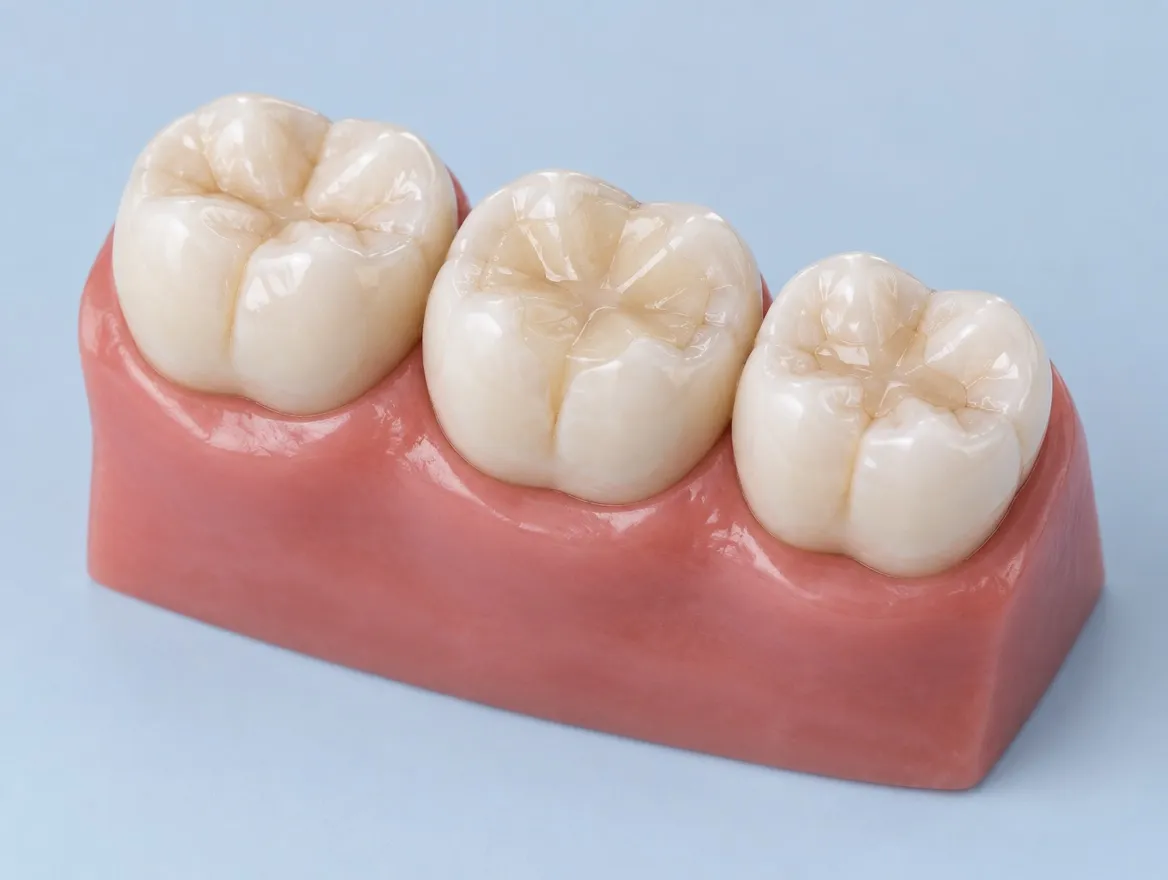
Tooth decay, also known as dental caries or cavities, is the destruction of tooth enamel caused by bacteria’s acids. Left untreated, decay can progress through the layers of the tooth, leading to pain, infection, and eventual tooth loss.
At Walden Dental NY, Dr. Ibrahim Sayeed finds decay early and treats it as conservatively as possible — reversing early white spots with fluoride where we can, and using tooth-colored fillings, crowns or root canal treatment when decay has gone further.
What Causes Tooth Decay?
Tooth decay is caused by a combination of factors, including:
- Accumulation of dental plaque
- Frequent consumption of sugary or acidic foods and beverages
- Inadequate brushing and flossing
- Dry mouth or reduced saliva flow
- Lack of regular dental visits
Signs of a Cavity or Tooth Decay
Early detection is key. Common symptoms include:
- White, brown, or black spots on teeth
- Tooth sensitivity to hot, cold, or sweet foods
- Visible holes or pits
- Persistent toothache
- Bad breath or a bad taste in the mouth
Stages of Tooth Decay and How Each Is Treated
Decay moves inward through the tooth. The earlier it’s caught, the smaller the fix:
- Early demineralization (white spots): enamel is weakening but there’s no hole yet. This stage can often be reversed with fluoride treatment and better home care — no drilling.
- Enamel decay: a small cavity has formed. A small tooth-colored filling stops it.
- Dentin decay: decay reaches the softer layer underneath and often causes sensitivity. It needs a larger filling, an inlay or onlay, or a crown if a lot of tooth is lost.
- Pulp (nerve) involvement: bacteria reach the nerve, usually with lingering pain. Root canal treatment saves the tooth, usually followed by a crown.
- Abscess: infection spreads beyond the root, with swelling or a pimple on the gum. Call us the same day — treatment is a root canal or extraction, with antibiotics if needed.
Not sure whether you have a simple cavity or an infection? Read how to tell if you have a cavity.

Cavity Treatment at Walden Dental NY
Our clinical team offers expert diagnosis and evidence-based treatment:
- Dental Fillings: To restore teeth damaged by decay
- Inlays and Onlays: For moderate cavities that don’t require full crowns
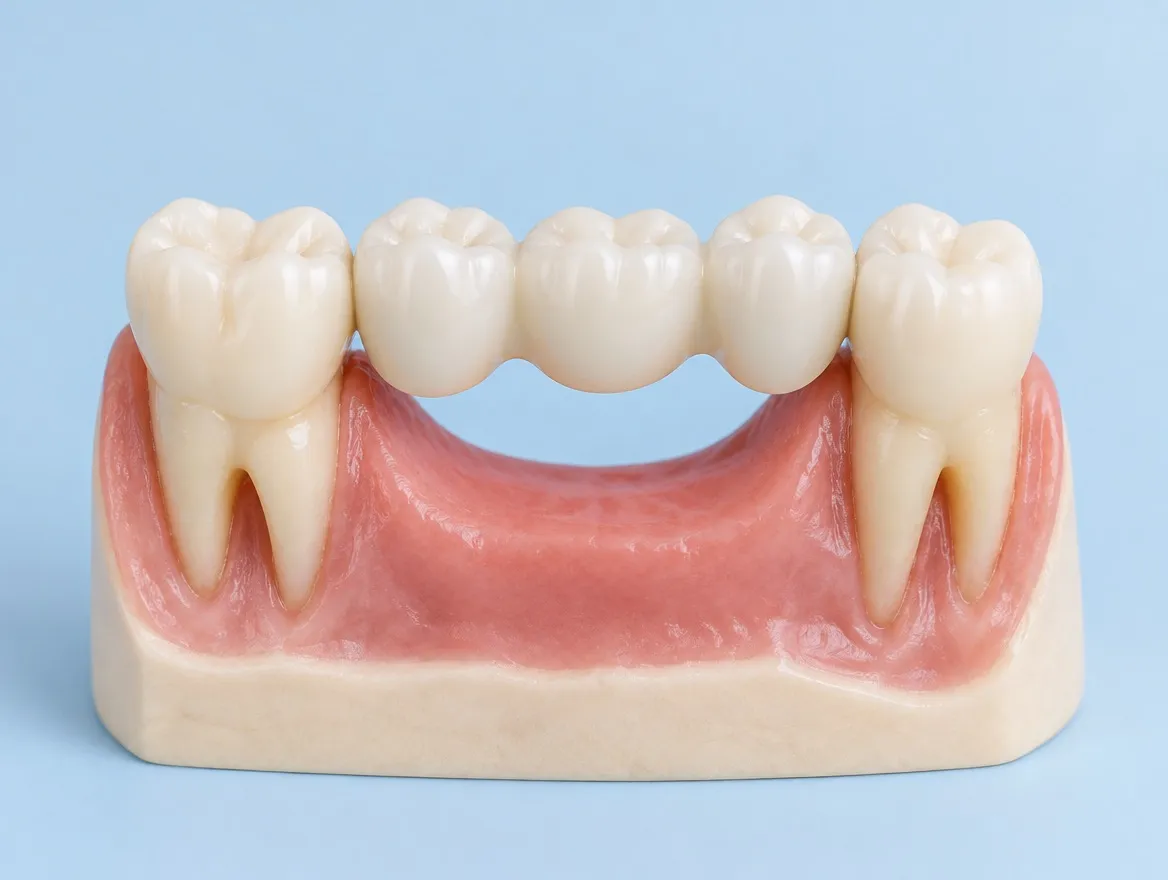
- Crowns: Custom restorations for extensively decayed teeth
- Root Canal Therapy: When decay reaches the pulp
- Tooth Extraction: When restoration is no longer possible
All procedures are performed with patient comfort and long-term results in mind.

Preventing Tooth Decay
The best approach to managing tooth decay is prevention through consistent professional care. This includes:
- Brushing with fluoride toothpaste twice daily
- Daily flossing
- Routine dental cleanings and exams
- Dental sealants and fluoride treatments
- Minimizing sugar intake and acidic foods
- Addressing dry mouth or related health conditions
Why Choose Walden Dental NY?
At Walden Dental NY, we deliver patient-centered, modern dentistry focusing on prevention and minimally invasive care. Our services include:
- Comprehensive exams and diagnostic imaging
- Conservative restorative procedures
- Experienced dental professionals
- Transparent treatment planning
- Convenient scheduling and insurance support
We’re committed to preserving your natural teeth and preventing future decay with tailored, expert care.
How we treat it
Treatments for tooth decay at Walden Dental NY



Frequently Asked Questions (FAQs)
Can early tooth decay be reversed?
Yes, at the white-spot stage — before a hole forms — fluoride, better brushing and cutting back on sugar can remineralize the enamel. Once decay has made a cavity, it can’t heal on its own and needs a filling.
How can I stop tooth decay from spreading?
Have it treated early: a small filling stops decay before it reaches the nerve. At home, brush twice a day with fluoride toothpaste, clean between your teeth daily, limit sugary and acidic snacks and drinks, and keep up regular checkups so new spots are caught early.
What are the main causes of tooth decay?
The five most common causes are plaque bacteria, frequent sugary or acidic foods and drinks, not brushing and flossing thoroughly, dry mouth, and skipping regular dental checkups.
What are the first signs of tooth decay?
Early signs include white spots on the enamel, mild sensitivity, and occasional discomfort when eating sweet, hot, or cold foods.
Can tooth decay be stopped once it starts?
Yes. With professional intervention, the progression of tooth decay can be halted and the tooth restored using appropriate dental treatments.
How is tooth decay diagnosed?
Decay is detected through clinical examination, dental X-rays, and digital diagnostic tools to assess the extent and location of the damage.
Does every cavity need a filling?
Cavities that penetrate beyond the enamel typically require fillings or other restorations to prevent further damage and restore function.
How often should I have my teeth checked for decay?
Regular dental exams every six months are recommended, though your dentist may suggest more frequent visits based on your individual risk factors.
Can decay occur under a crown or filling?
Yes. Decay can develop at the margins of crowns or fillings if oral hygiene is inadequate or the restoration fails.



Patient stories
What our neighbours in Walden say.
-
★★★★★
I recommend this place to all my friends. They are gentle, kind, and honest. They don’t recommend things that you don’t need. They’re great working with people who have anxiety about going to the dentist.
T&C SmithGoogle review -
★★★★★
Great staff, they always treat my kids great, never had 1 issue in the years they have gone.
BrianGoogle review -
★★★★★
Such friendly staff!
Catie AbelGoogle review -
★★★★★
Dr Sayeed and his team are absolutely wonderful. I see them every six months and most of the time I have a boring mouth. The one time I didn’t, Dr. Sayeed handled me with great care as he knew I had had a prior negative experience at a dentist and it had been a while since I had been to one. I look forward to the friendly atmosphere and good patient care every time I go. Highly recommend!
Ashley DmitrieffGoogle review -
★★★★★
Great people. Beautiful people here and they are very funny
Andy DumornayGoogle review